
Accommodation across Asia takes many forms, from Japanese hot-spring hotels and a family-run homestay in Vietnam to tented villas in Bhutan and high-rise hotels overlooking city harbours. These 13 properties illustrate the range through their settings, buildings and facilities. Some details, particularly what was included with a room, describe an individual stay rather than a standing offer.
Hotels and homestays across Asia
Akan Yuku no Sato Tsuruga, Hokkaido, Japan
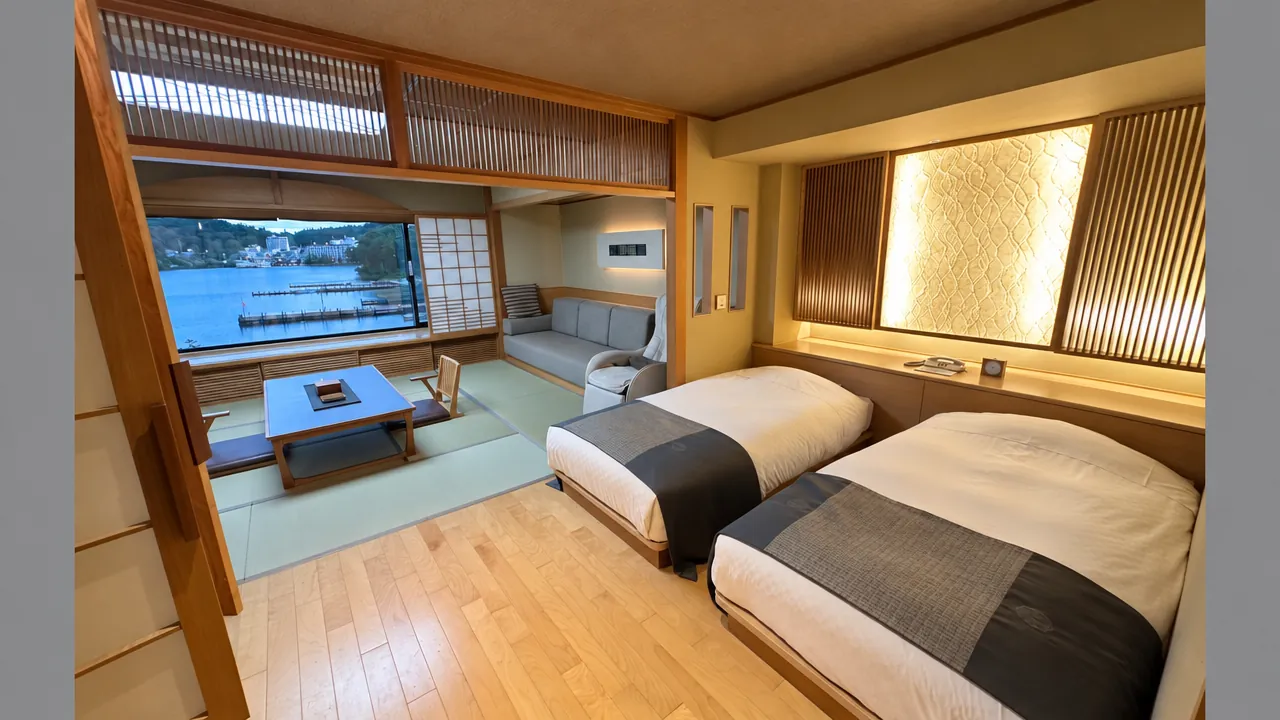
Akan Yuku no Sato Tsuruga stands beside Lake Akan and has an onsen, or hot-spring public bath. Its buffet serves Japanese and Chinese food. As at many hotels in Japan, guests are provided with nightwear in their rooms, alongside items such as robes. Here, the wardrobe also holds daywear that guests can use while on the property, as well as pyjamas for the night. Having both available may mean packing fewer clothes for time spent at the resort.
Pemako Punakha, Punakha Valley, Bhutan
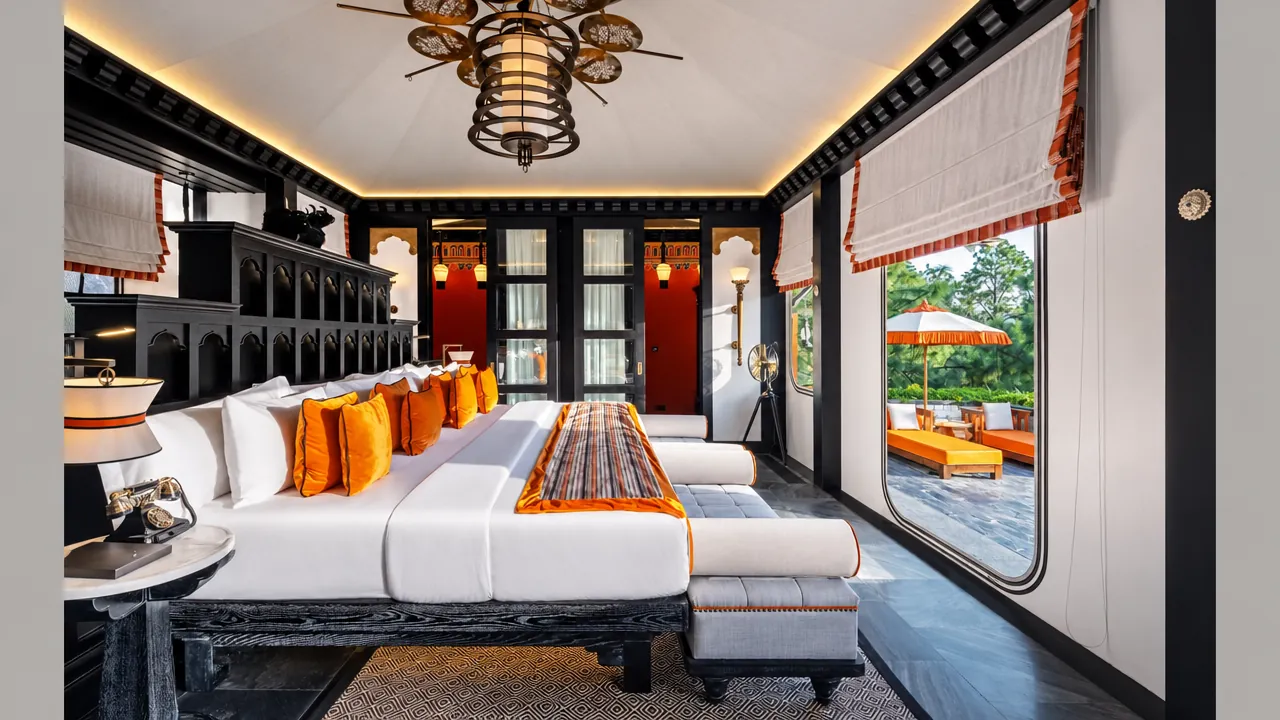
Reaching Pemako Punakha involves crossing a suspension bridge. The Bhutanese-owned resort occupies 75 acres of forested hillside beside the Mo Chhu River, with 21 tented villas, each containing a heated pool. Its concept draws on a legendary sacred hidden valley in Tibet, while the interiors incorporate elements of Bhutanese mythology. There is also a Buddhist temple on site, where resident lamas welcome guests. The setting combines riverside forest with a form of accommodation that differs from a conventional hotel room.
Anantara Mai Khao Villas, Phuket, Thailand
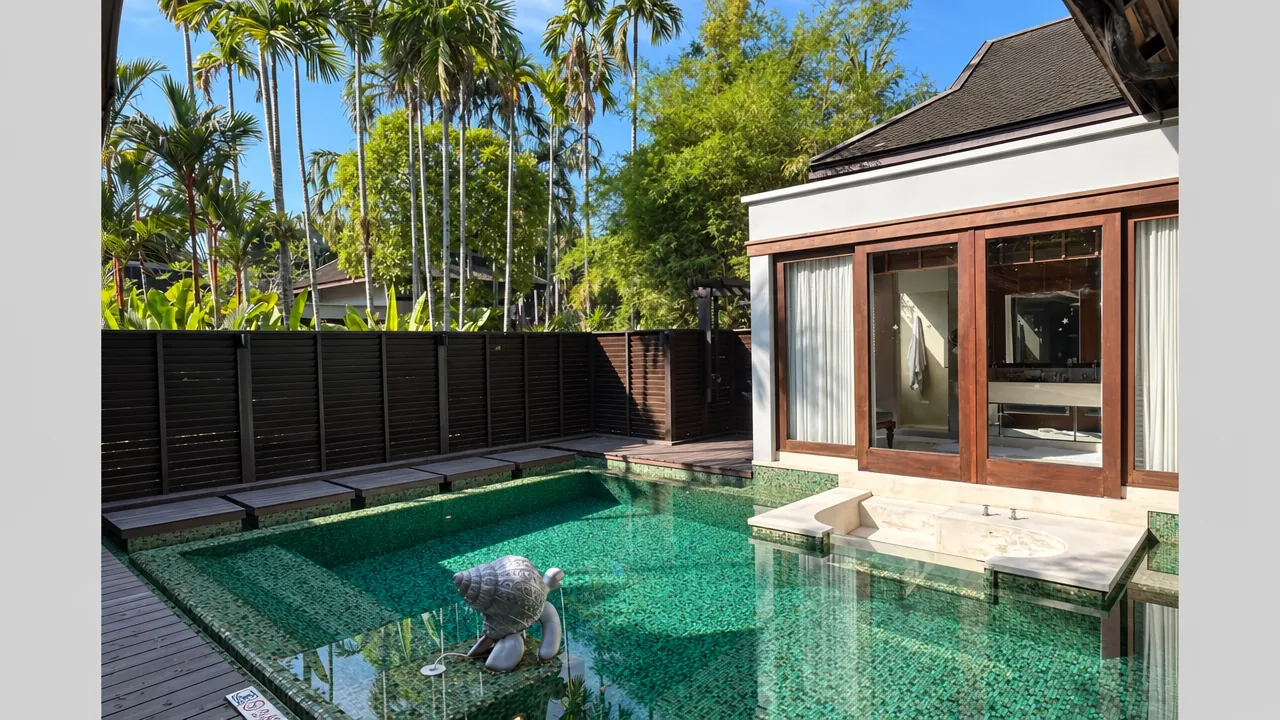
The villas at Anantara Mai Khao were used to film the third season of The White Lotus. One reported stay was in the type of room depicted as Belinda’s hotel room, with a vaulted ceiling and a private plunge pool. The property has a lagoon-side setting, with paths running through it. Guests can spend time at the pool near the beach, take a Muay Thai lesson or visit the bunnies and chickens near the active zone. A spa massage was another part of the reported stay.
Hoshinoya Tokyo, Tokyo, Japan
Hoshinoya Tokyo offers a modern interpretation of a traditional ryokan. Each room shares its floor with only six other rooms and a central lounge, where tea, coffee, snacks and activities rotate. The rooftop onsen has hot-water baths with both indoor and outdoor areas; from the outdoor section, bathers can see the sky and hear the city. Breakfast was included during one reported stay, with a choice of Japanese and Western options. That inclusion describes the stay reported, rather than every possible booking.
Jardin du Mekong, Mekong Delta, Vietnam
Jardin du Mekong is a homestay in Vietnam’s Mekong Delta, with winding gardens and small ponds in its grounds. During a reported visit, guests joined the family who own the property for an evening cooking class. There is also an outdoor pool, and bikes are available for cycling around the neighbouring farmland. The combination of gardens, a family-led activity and nearby cycling gives this stay a different character from the larger resorts and urban hotels in this selection.
Kimpton Tsim Sha Tsui, Hong Kong
Kimpton Tsim Sha Tsui is described as the world’s largest Kimpton. It was built on the site of the Mariners Club, which still occupies the first eight floors. Guest rooms have soaking tubs and views of Victoria Harbour, while breakfast offers a wide selection of dishes. Swim Club, the pink-and-blue rooftop bar, has an indoor-outdoor poolside setting and a vantage point for A Symphony of Lights, Hong Kong’s nightly harbour-side light-and-sound show.
Downstairs, JIJA is a restaurant by Vicky Lau, founder of the two-Michelin-starred TATE Dining Room in the Central District. Its modern-teahouse-inspired space serves food from Yunnan and Guizhou, including sour-spicy flavours. Dishes mentioned include lime shredded chicken, sweet corn soup and steamed snapper. Together, the rooftop and restaurant offer two quite different spaces within the same hotel.
Thotalagala, Haputale, Sri Lanka
In the hills of Sri Lanka’s tea country, Thotalagala occupies a restored planter’s bungalow dating from around 1870. Its seven suites are each named after someone who contributed to the rise of Ceylon tea, and the property is surrounded by 20 acres of lawns. Guests can have breakfast on the lawn overlooking the valley, take afternoon tea, sit by the fireplace with a drink or use the infinity pool. Daytime possibilities include a tea workshop and a visit to the nearby Dambatenne tea estate.
Upper House, Chengdu, China
Upper House has the façade of a renovated traditional Chinese building, paired with modern, spacious rooms inside. It stands next to Taikoo Li, a shopping district with shops and restaurants. During one reported stay, the breakfast buffet was included with the room and served dishes such as coconut overnight oats. The renovated exterior and contemporary guest rooms are two distinct parts of the hotel’s design; the breakfast inclusion refers specifically to that stay.
Pan Pacific Singapore, Singapore
Rooms at Pan Pacific Singapore offer panoramic views across Marina Bay. A glass lift travels down through the hotel’s open core, passing tiered guest-room floors before reaching an atrium with seating pods. The hotel’s Chinese restaurant, Hai Tien Lo, served a vegetarian multi-course meal during one reported visit. That meal included a dessert made with white chocolate and tropical fruit. The lift’s route through the open interior is another notable feature of the building.
Onyado Nono Kyoto Shichijo Natural Hot Spring, Kyoto, Japan
Described as a budget-friendly option in Kyoto, Onyado Nono Kyoto Shichijo Natural Hot Spring has a hot-spring spa with pools at different water temperatures across several rooms. One room contains a cool-water pool surrounded by rocks and hanging plants. There are separate sets of springs for women and men. The hotel also provides massage chairs and snacks at no additional charge, including ice cream bars in the evening.
Tatami mats cover the floors throughout the hotel, and everyone stores their shoes in lockers at the entrance. The resulting lack of shoes in the interior was described as making the space feel quiet and soothing. The hotel is near the train station and within walking distance of many Kyoto neighbourhoods, making its location another practical aspect of the stay.
JW Marriott Phu Quoc Emerald Bay Resort & Spa, Phu Quoc, Vietnam
Bill Bensley conceived this beachside hotel as a fictional university. Buildings represent academic departments, including Zoology, Botany, Chemistry and Conchology, with rooms and decorations matched to their themes so that spaces differ across the property. Pastel-painted buildings mix French-colonial, Vietnamese and artistic influences, while the spa has an Alice in Wonderland theme. Pink Pearl by Olivier E. is the hotel’s French fine-dining restaurant. The university concept shapes both the larger buildings and their interior details.
Rhino & River Wildlife Retreat & Spa, Assam, India
Rhino & River Wildlife Retreat & Spa has views of the river and is a short drive from the rhinos at Pobitora Wildlife Sanctuary. An account of a stay also notes birdsong at dawn and warm interactions with the staff. The sanctuary’s proximity, rather than facilities or room design, is the distinguishing detail supplied for this retreat.
Atlantis the Royal, Dubai, UAE
At Atlantis the Royal, one reported room had remote-controlled curtains. Meals during that stay featured ingredients including truffle, caviar and gold leaf. The hotel also has a restaurant called Nobu By the Beach. These room and dining details describe the reported experience and an on-site restaurant, without implying that every room or meal has the same features.