
Autumn does not look the same everywhere. Leaves change colour across parts of the Northern Hemisphere, while New Zealand and Australia enter spring. Elsewhere, easing rains or milder temperatures can change which activities are practical. These 15 destinations were selected for growth in orders for Lonely Planet guidebooks, not ranked by weather, visitor numbers or overall suitability. The seasonal details below offer a way to compare them, whether you want forest walks, city breaks, wildlife or time by the water.
1. Japan
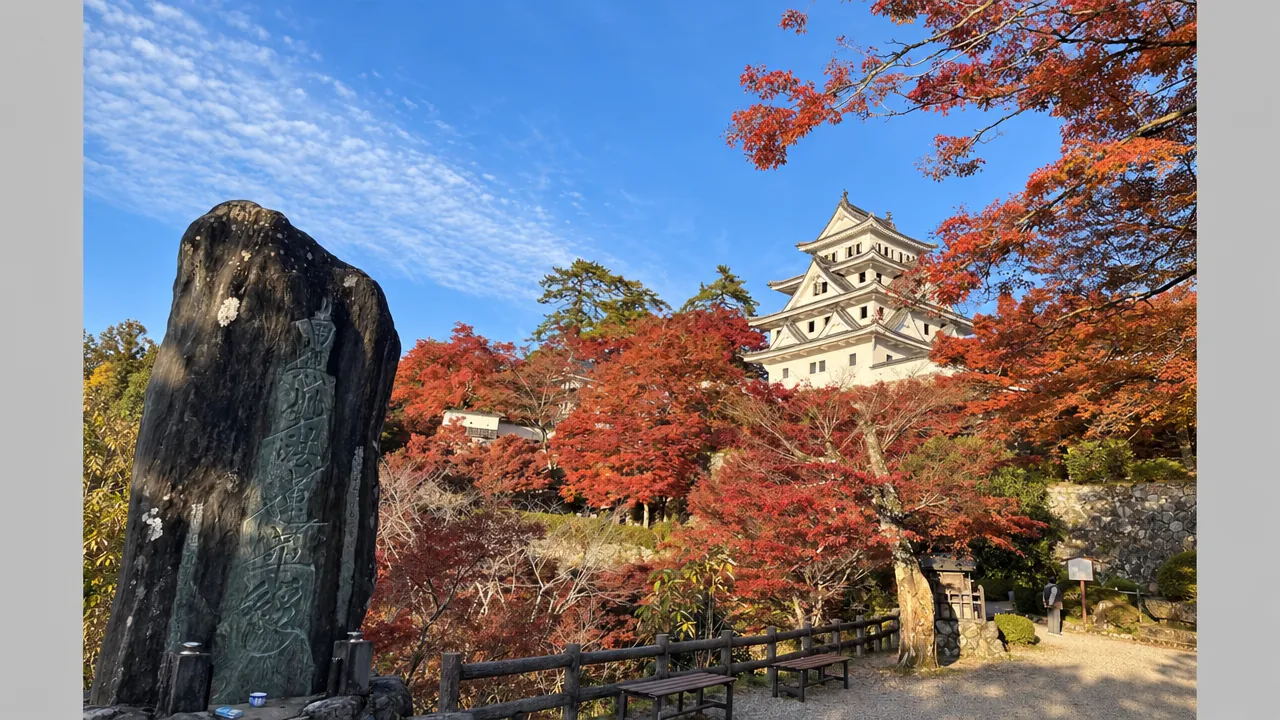
Best for autumn foliage and food. Japan had the largest rise in Lonely Planet guidebook orders among the destinations on this list. Parks, gardens and forest trails offer places to see changing leaves, and colour can last into November in Kyoto and Tokyo. That makes both cities possibilities for a later autumn visit rather than only an early-season trip.
Autumn can also mean fewer visitors than the spring cherry blossom season, with relatively dry, mild conditions for exploring. A walk among the trees can be paired with time in the cities and a hot bowl of ramen. The appeal is not limited to one landscape: gardens and urban parks offer alternatives to longer forest walks.
2. Italy
Best for seasonal food and varied landscapes. Summer is Italy’s peak tourist season, but autumn can bring milder temperatures and thinner crowds without closing off its landscapes, museums and monuments. In the Dolomites, hiking routes pass golden larches beneath mountain peaks. Further south, Sicily’s water can remain warm enough for swimming into October, so an autumn visit need not always mean cold-weather activities.

Food traditions also shape the season. Truffle season arrives in Piedmont and Tuscany, alongside the harvest of wine grapes and, afterwards, the olives pressed for olive oil. These regional differences make the choice between mountains, cities and the coast particularly important when planning an Italian autumn trip.
3. Thailand
Best for late-autumn swimming and festivals. Monsoon rains tend to ease in October, and November can bring clearer skies and lower humidity. Travel through the countryside may then feel more comfortable, including in the forested north, where waterfalls and swimming holes are part of the landscape. Chiang Mai hosts Yi Peng, a religious lantern festival, in November.

For beaches, the timing differs by area: consider the Andaman Coast in November, or the Gulf Islands, including Ko Samui, in December. Rainfall varies with both place and season, so neither option describes conditions across all Thailand. December to February is the country’s peak season, when accommodation and activities can fill up quickly.
4. Vietnam
Best for activities across contrasting regions. Autumn brings cooler conditions to Hanoi, making its winding streets more comfortable to explore. Halong Bay can offer clearer views, while the water remains warm enough for a dip. Around the rice harvest, the terraces of Sapa and Ha Giang turn golden, giving northern journeys a different character from city or coastal visits.
Further south, temperatures are warmer and rain remains possible, so conditions may change over the course of one trip. With an umbrella to hand, options include eating pho on Hanoi’s street corners, riding motorbikes through Ho Chi Minh City, also known as Saigon, or cycling through the countryside around historic Hoi An.
5. South America
Best for variety, provided the destination is chosen carefully. South America spans the Equator, and its regions have very different seasons and weather. In Peru, the dry season can bring clear mornings at Machu Picchu. Permits for the Inca Trail may become easier to obtain once summer crowds have diminished, though that is a possibility rather than a guarantee.
Near the Equator, the Galapagos Islands offer wildlife viewing, including young seals. Farther south, spring begins the trekking season in Patagonia. Jacaranda trees bloom in Buenos Aires around November, where a terrace café offers a place to take in the scene. Crowd levels and conditions vary considerably across this continent-sized selection, so the specific location matters more than the broad regional label.
6. Sri Lanka
Best for an island trip with wildlife, historic sites and beaches. Sri Lanka has forests, waterfalls, remains of ancient civilisations and varied wildlife as well as a coastline. Interest reflected in the guidebook orders appears to point more towards early December than autumn itself. From November, drier weather begins arriving in parts of the island, and prices can be lower.
Possible activities include watching for migrating blue whales at Mirissa and looking for leopards and elephants in Yala National Park. On the west coast, swimming and surfing are options when conditions suit them. The shift towards drier weather applies to parts of Sri Lanka, rather than promising the same conditions everywhere on the island.
7. India
Best for wildlife watching and backwater boat trips. As autumn arrives, heat eases in northern India and monsoon rains retreat. Many national parks reopen after the monsoon at the start of October. Ranthambhore and Bandhavgarh are known for tiger spotting, while Kaziranga offers opportunities to look for one-horned rhinos. In Darjeeling, clearer conditions can reveal 8,586-metre Kangchenjunga, the world’s third-tallest mountain.
The source dates Diwali, the Festival of Lights, to 8 November in the year it describes; oil lamps and fireworks mark celebrations in cities across India. This period also begins Goa’s beach season. Farther south in Kerala, the post-monsoon backwaters are lush and suitable for boat journeys through the waterways. The range of options makes regional conditions especially relevant.
8. China
Best for autumn colours, seasonal food and comfortable exploring. In parts of China, especially the north, autumn can be dry and crisp. With summer heat easing before winter cold arrives, cities can be comfortable to explore. Temperatures can also suit visits to northern deserts or the green hills of the south, though the landscapes and conditions differ across those regions.
Beijing can have blue skies and colourful leaves. The Fragrant Hills, a public park on its outskirts, are known for vivid red foliage, while forest colour also reaches a peak around Sichuan’s Jiuzhaigou lakes. Seasonal eating adds another aspect to a trip: Shanghai’s hairy crab and mooncakes served across the country are among the foods associated with autumn.
9. Portugal
Best for extending the feel of summer into autumn. In the Algarve, temperatures can remain above 22°C (72°F) into October, and swimming may still be possible as larger surf waves begin to arrive. That coastal possibility contrasts with cooler conditions farther north, where Porto and Lisbon’s steep hills can become easier to climb than in hotter weather.
In the cities, visitors can browse shops, stop for pastel de nata, or custard tarts, and seek out miradouros, the viewpoints overlooking the streets and buildings. In the Douro Valley, the grape harvest can continue into October. Grape stomping, tastings and boat trips along the river offer different ways to experience that harvest period.
10. New Zealand
Best for spring landscapes during the Northern Hemisphere’s autumn. New Zealand is moving into spring when northern destinations are losing their summer warmth. Central Otago and Hawke’s Bay have spring blooms, while mountains near Queenstown can still hold snow for late-season skiing. Along the coast at Kaikōura, visitors can watch for whales.
Those possibilities illustrate how different activities can overlap in one season, though they take place in different parts of the country. Travellers watching their budgets may also find prices lower than during New Zealand’s December-to-February peak season. The comparison is with that busier summer period, not a promise of low prices for every spring trip.
11. Australia
Best for landscapes and marine activities in spring. Australia enters spring during the Northern Hemisphere’s autumn, but conditions vary widely across the country. The Red Centre, including Uluru, can have temperatures milder than in summer, making the season an option for exploring inland landscapes. Coastal plans depend on a different set of conditions.
From September to November, humpback whales migrate southwards along both the East Coast and West Coast, offering opportunities to watch for them. The Great Barrier Reef is another option for snorkelling or diving when its sea is usually calm and warm. These experiences are spread across different regions, so plans for outdoor activities depend on the part of Australia being visited.
12. Africa
Best for wildlife and a range of regional landscapes. Africa’s autumn conditions differ widely by location. In East Africa, the Great Migration between Tanzania’s Serengeti and Kenya’s Masai Mara can bring wildebeest and zebra herds to the Mara River in October. In Algeria, warm days and cooler nights mark the start of the season for visiting the Sahara Desert and Roman sites.
In Zimbabwe, lower water levels at Victoria Falls can allow access to the Devil’s Pool, where swimming takes place near the drop-off. Farther south, spring brings wildflowers to Cape Town. There are also penguins at Boulders Beach, chances to watch for whales close to shore and milder conditions for hiking Table Mountain. These are distinct regional possibilities, not a single continent-wide season.
13. Norway
Best for longer nights and chances to see the northern lights. After the autumn equinox, nights lengthen across Scandinavia, increasing opportunities to see the lights. In Norway, particularly in the north, that darkness is a reason for an autumn visit. Temperatures can fall quickly as the season progresses, however, so the later part of autumn differs from its milder beginning.
Daytime offers another reason to explore: autumn colours reach Norway’s forests, including golden birches beside hiking routes. A trip can combine time on those trails with stops for coffee and buns in cafés. Longer nights create opportunities for northern-light viewing; they do not mean that a display will occur on any particular visit.
14. Philippines
Best for a beach trip that may fit early winter better than autumn. Interest in the Philippines in the guidebook data may reflect travellers preparing for later travel. From December, conditions can become more suitable for swimming, snorkelling and diving. Going earlier can mean fewer crowds, but typhoons may disrupt plans into October.
Activities extend beyond swimming. Siargao has established surfing breaks, while the Banaue and Batad rice terraces offer hiking. Divers at Coron Bay in Palawan have a chance to see sunken ships from the Second World War. The distinction between an earlier, potentially quieter trip and more suitable beach conditions from December is worth keeping in mind.
15. New York City
Best for autumn leaves on a city break. Central Park’s orange and yellow foliage provides a seasonal setting for a walk, while a Broadway show or dinner in the West Village offers an alternative to time outdoors. Summer humidity has usually eased before winter cold arrives, although evenings may still call for a warm layer.
Days remain relatively long, and milder weather can make walking around the city appealing. Prices and crowds can be below their summer peak, rather than necessarily low in absolute terms. New York City offers a different version of an autumn foliage trip: the changing leaves are part of a visit that can also centre on its neighbourhoods, theatres and food.
How the destinations were selected
The ordering reflects increases in Lonely Planet guidebook orders from 20 August to 20 September 2026 compared with the preceding period. A minimum-order threshold excluded destinations with fewer guidebook orders. It is therefore a measure of growth in qualifying orders, not a ranking of the best weather, lowest costs or most visited places. Some entries describe a country, others a city or an entire continent, so the seasonal details are more useful for planning than the position alone.