
Waking on a train somewhere in Europe can be part of the journey’s appeal, not merely a way to reach the next destination. Budget flights may cost less, but railways, ferries, bicycles and boats reveal landscapes and coastlines from different perspectives. Trains cover longer distances, ferries cross inlets and connect islands, and paths make shorter stretches possible on foot or by bicycle. These seven itineraries use those approaches in different combinations. The last follows a mapped electric-car route rather than relying on public transport or human-powered travel.
Norway by railway and ferry
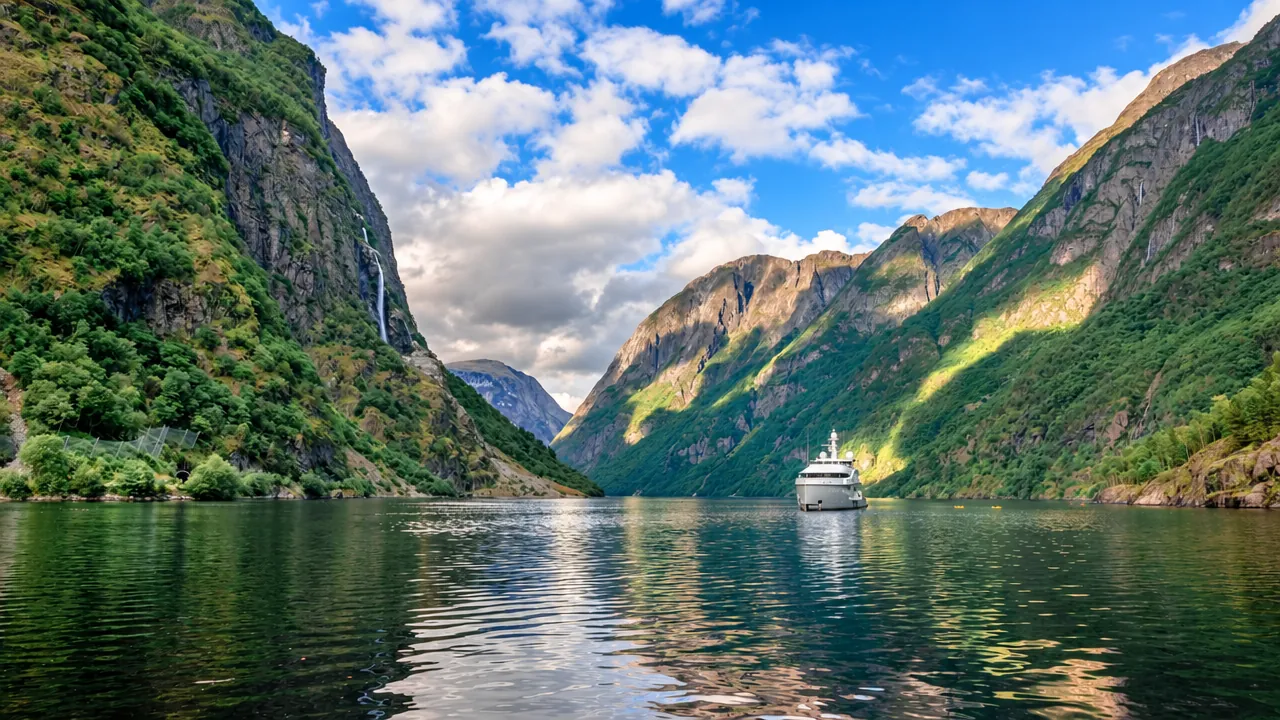
Running approximately 500 km from Oslo to Bergen, this journey combines the Bergen Railway with a detour on the Flåm Railway. The Bergen Railway is a coast-to-coast main line linking Norwegian cities. From the highlands, the Flåm branch descends 850 m towards the fjord, passing through 20 tunnels along its 20 km of track. Rail and ferry travel together provide a way to see this part of Norway without taking a flight.
At Flåm, hybrid and electric ferries pass through Aurlandsfjord and Nærøyfjord, with views of cliffs, waterfalls and snow-dusted peaks. Travellers reconnect with the railway at Voss for the final leg to Bergen. The Bergen Railway has around four departures daily, and it is possible to leave out costlier detours. Those with more time can pause at Voss, which calls itself Norway’s outdoor capital, and use it as a base for canyoning or rafting before continuing west.
From London to sea kayaking in Scotland
The London-to-Fort William rail journey is approximately 670 km. The Caledonian Sleeper travels overnight from London Euston and arrives in Fort William at 10 am. Near the Scottish Highlands, Fort William calls itself Britain’s outdoor capital, while nearby Arisaig offers access to sea kayaking. Retreating glaciers shaped the coast around Arisaig into rocky inlets and skerries, creating a varied shoreline for paddlers to explore after the train journey.
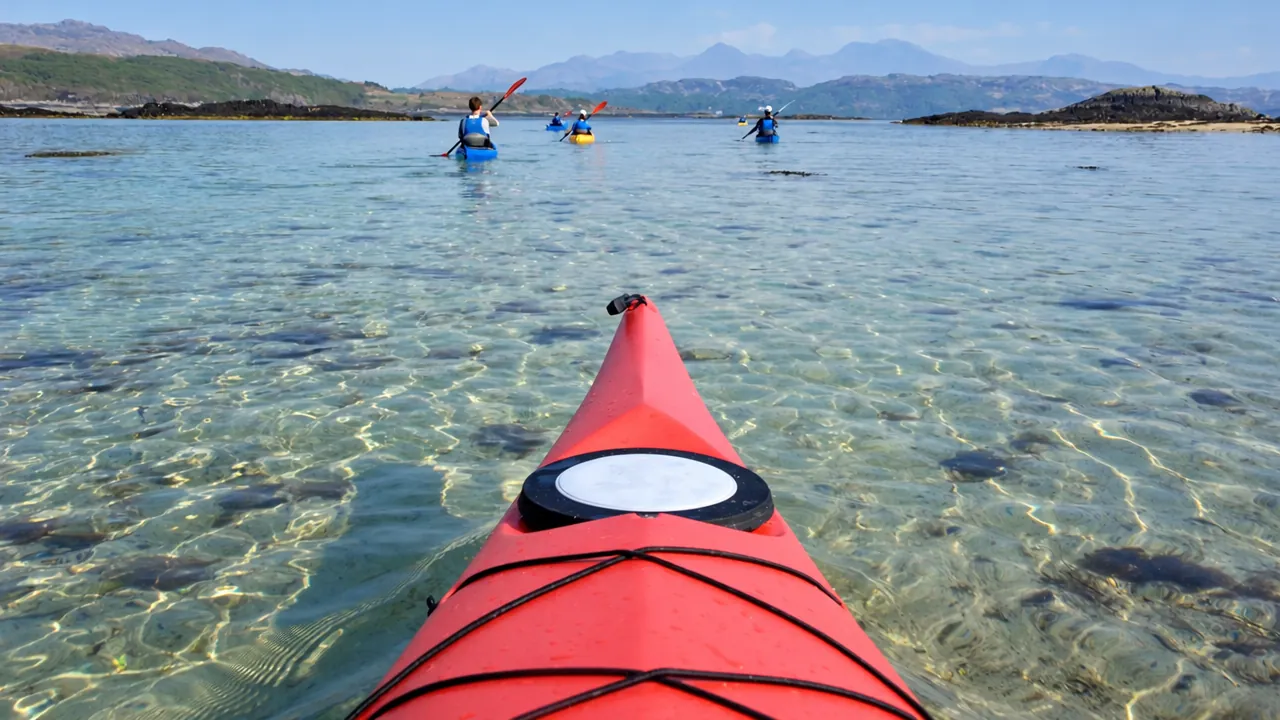
Arisaig Sea Kayak Centre takes beginners and experienced paddlers onto Loch Ailort or Loch Moidart. Seals, otters and eagles may be spotted on the water or nearby, although sightings cannot be counted on. The area also has options for cycling and mountain biking; Ben Nevis is an option for hikers. Arriving by sleeper train leaves the day available to choose among these activities rather than spending it travelling north.
Croatian islands by ferry
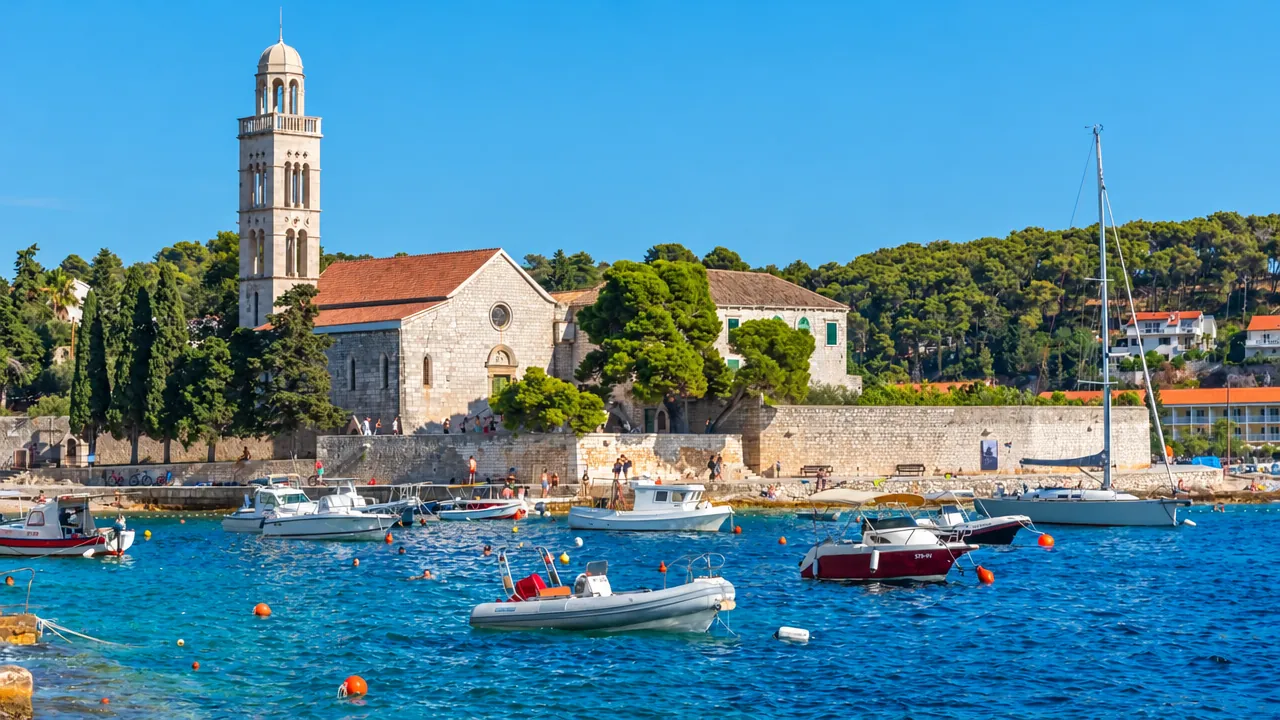
This approximately 200 km itinerary takes two weeks to travel from Split to Dubrovnik along Croatia’s Adriatic coast. Ferries connect the route through Brač, Hvar, Korčula and Mljet, with Jadrolinija and Krilo Kapetan Luka catamarans running daily in summer. Short crossings allow for overnight stays on several islands without a car or flight between stops. The channels between the islands are sheltered and calm, which may appeal to travellers prone to seasickness.
Along the way, stops can include Zlatni Rat beach on Brač and the lavender fields of Hvar. Korčula offers wine-tasting featuring wines made with the local pošip and grk grapes. Mljet National Park’s saltwater lakes provide another stop before the route ends in Dubrovnik’s Old Town. To begin in Split, travellers can take a bus from Zagreb, a journey of around four hours, then continue down the coast by ferry.
France’s Atlantic coast by bicycle
From Bordeaux, with vineyards nearby, this approximately 300 km ride heads towards Biarritz near the Spanish border. It follows La Vélodyssée, a signposted long-distance cycle route along France’s Atlantic coast and part of EuroVelo 1. That wider route extends 10,650 km from Norway to Portugal. The Bordeaux-to-Biarritz itinerary passes Lacanau-Océan, Arcachon and its giant sand dune, and Mimizan before reaching the end of the ride.
The coastal ride is flat, with virtually no climbs, and runs between beaches on one side and pine forest on the other. Towns are generally 30–40 km apart, allowing shorter stages for riders travelling with a bike trailer or at a gentler pace. A strong solo rider might cover the 120 km from Mimizan to Biarritz in a day; a family might split it into three or four stages. For the return to Bordeaux, trains run from Bayonne, just inland from Biarritz.
Tour du Mont Blanc on foot
The Tour du Mont Blanc is an approximately 170 km hiking loop through France, Italy and Switzerland, starting and finishing in Les Houches. Most walkers set out anticlockwise from this French town. Returning to the same place simplifies the journey’s logistics, and mountain huts roughly every 15 km offer places to stay on the multi-day circuit. The walk suits experienced hikers; mountain bikers also take on the route, although not every section can be ridden.
At an average walking pace, most hikers take 10 days or more to complete the loop. Some trail runners have finished in 24 hours, while mountain bikers manage it in around five days, including sections where they must push or carry their bikes. Les Houches is reachable by train from France or Switzerland, via Chamonix and Paris, with connections from London, Amsterdam and Munich. Mountain huts should be booked ahead for July and August; September is quieter.
The Canal du Nivernais by boat
Beginning in the medieval town of Auxerre, this approximately 174 km boat journey follows the Canal du Nivernais through Burgundy towards Clamecy. Travellers can use a fully crewed vessel with bicycles included, or navigate a four-berth canal cruiser themselves. Previous boating experience is not required. Along the canal are 116 locks, where lock-keepers can assist as boats pass through. The choice of boat determines whether travellers navigate for themselves or leave that task to a crew.
The route runs beside the River Yonne, passing vineyards and limestone gorges. With bicycles aboard, travellers can add day trips into the Chablis wine region or make a detour to the 900-year-old Abbaye de Pontigny. Families can set their own pace on the water, combining short daily cruises with long lunches and cycling excursions. Rather than treating Auxerre and Clamecy as the only stops, the canal journey leaves room to explore places alongside it.
Switzerland’s E-Grand Tour by electric car
The Zürich-to-Geneva section of Switzerland’s E-Grand Tour covers approximately 783 km. Designed as an electric-car route with mapped charging points, it passes glaciers, mountain passes, castle towns and lakes. Detours can include hiking near Interlaken or wine-tasting along Switzerland’s wine trails. Unlike the rail, ferry and walking itineraries, this journey is driven, with travellers able to shape the route around stops and excursions that interest them.
Places along the way include Lucerne’s covered wooden bridge, the UNESCO vineyards of the Lavaux, Bern’s historic Altstadt quarter and Geneva’s Jet d’Eau fountain. The route begins in Zürich, which can be reached by high-speed train from Paris, Frankfurt or Milan, and finishes in Geneva. Those train connections offer a way to reach the starting city before continuing across Switzerland by electric car.